


Can waterproof tile backer be used in a pool area? This is a question that many pool owners, contractors, and designers often ponder when planning the construction or renovation of a pool area. As a supplier of waterproof tile backer, I'm here to provide you with in - depth insights into this topic.
Understanding Waterproof Tile Backer
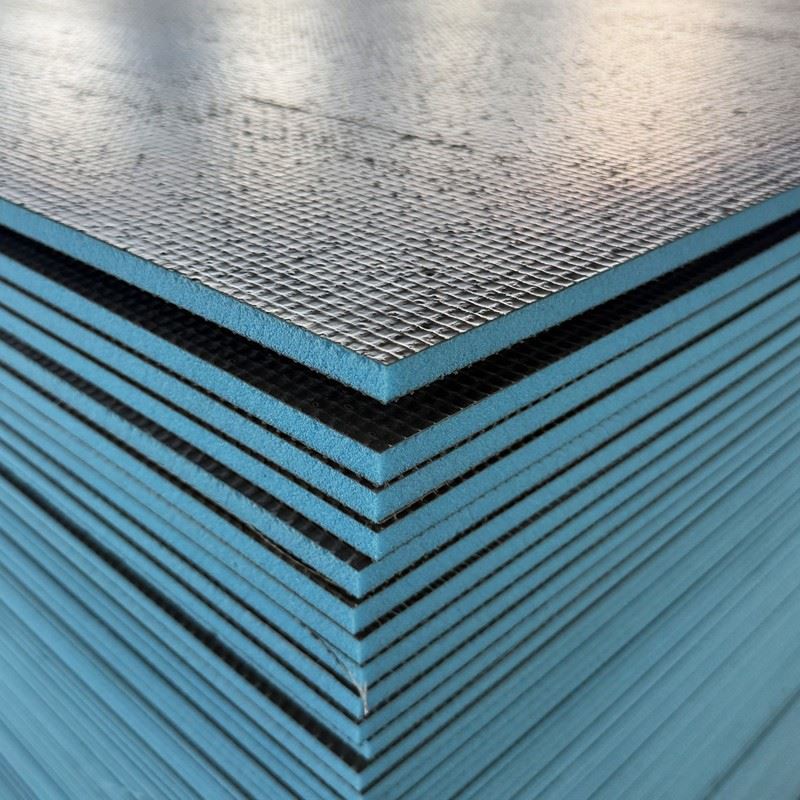
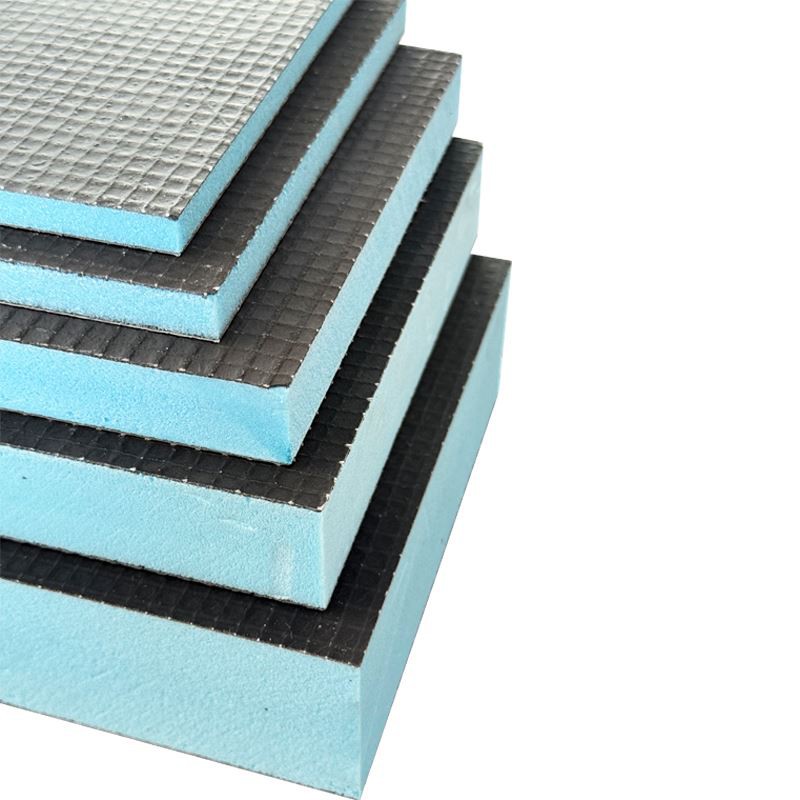
Before delving into its suitability for pool areas, let's first understand what waterproof tile backer is. Waterproof tile backer is a specialized board designed to provide a stable and moisture - resistant surface for tile installation. It is typically made from materials like cement, fiberglass, or other composite materials that are engineered to resist water penetration.
There are different types of waterproof tile backer available in the market, each with its own set of features and benefits. For instance, Water Proof Board for Shower is specifically designed to withstand the high - humidity environment of showers. These boards have excellent water - repellent properties and are often used in wet areas where tiles need to be installed.
Another type is the Exterior Wall Waterproof Backer Board. As the name suggests, it is suitable for exterior walls and can resist the elements, including rain and moisture. It provides a solid base for tiles on exterior facades, ensuring long - term durability.
Suitability for Pool Areas
Now, let's address the main question: Can waterproof tile backer be used in a pool area? The answer is yes, but with certain considerations.
Advantages of Using Waterproof Tile Backer in Pool Areas
- Moisture Resistance: The primary advantage of using waterproof tile backer in a pool area is its ability to resist moisture. Pools are constantly surrounded by water, and any material used in the area must be able to withstand continuous exposure to moisture. Waterproof tile backer prevents water from seeping through to the underlying structure, which can cause damage such as rot, mold, and mildew growth. This helps to extend the lifespan of the pool area's construction.
- Tile Support: A pool area often experiences a significant amount of foot traffic, as well as the movement of pool equipment. Waterproof tile backer provides a stable and rigid surface for tile installation. It helps to distribute the weight evenly across the tiles, reducing the risk of cracking or shifting over time. This ensures that the tiles remain in place and maintain their aesthetic appeal.
- Chemical Resistance: Pool water is treated with chemicals such as chlorine to keep it clean and safe. Waterproof tile backer is designed to be resistant to these chemicals, preventing degradation and damage. This is crucial for maintaining the integrity of the tile installation and the overall appearance of the pool area.
Considerations When Using Waterproof Tile Backer in Pool Areas
- Installation Method: Proper installation is key when using waterproof tile backer in a pool area. The boards must be installed correctly to ensure a watertight seal. This may involve using specific adhesives and fasteners that are suitable for wet environments. Additionally, the joints between the boards need to be properly sealed to prevent water from seeping through.
- Pool Location and Environment: The location of the pool and the surrounding environment also play a role in the suitability of waterproof tile backer. For example, if the pool is located in an area with high levels of sunlight, the backer board should be able to withstand UV radiation without deteriorating. Similarly, if the pool is in a coastal area, it should be resistant to saltwater corrosion.
- Code Compliance: It's important to ensure that the use of waterproof tile backer in the pool area complies with local building codes and regulations. Different regions may have specific requirements regarding the materials used in pool construction and renovation. Failure to comply with these codes can result in legal issues and may also affect the safety and durability of the pool area.
Types of Waterproof Tile Backer for Pool Areas
When choosing a waterproof tile backer for a pool area, there are several options to consider. Tile Backer Boards come in a variety of materials and thicknesses, each with its own advantages.
- Cement - Based Tile Backer: Cement - based tile backer is a popular choice for pool areas. It is extremely durable and provides excellent moisture resistance. Cement backer boards are also fire - resistant, which adds an extra layer of safety. They can withstand the weight and movement associated with pool use and are suitable for both interior and exterior pool areas.
- Fiberglass - Reinforced Tile Backer: Fiberglass - reinforced tile backer is another option. It is lightweight and easy to install, making it a good choice for DIY projects. This type of backer board also has excellent flexibility, which can help to prevent cracking in areas where there may be some movement, such as around the edges of the pool.
- Composite Tile Backer: Composite tile backer is made from a combination of materials, such as polymers and fibers. It offers a balance of strength, moisture resistance, and ease of installation. Composite backer boards are often designed to be more environmentally friendly and may have additional features such as sound insulation.
Maintenance of Waterproof Tile Backer in Pool Areas
Once the waterproof tile backer is installed in the pool area, proper maintenance is essential to ensure its long - term performance.
- Regular Inspections: Conduct regular inspections of the tile backer to check for any signs of damage, such as cracks, delamination, or water penetration. Early detection of problems can prevent more serious issues from developing.
- Cleaning: Keep the pool area clean to prevent the buildup of dirt, debris, and chemicals on the tile backer. Use mild cleaning agents and avoid abrasive materials that could scratch the surface of the backer board.
- Sealant Maintenance: If the tile backer has been sealed, check the sealant regularly and re - apply it as needed. A proper sealant helps to maintain the waterproofing properties of the backer board.
Conclusion and Call to Action
In conclusion, waterproof tile backer can be a great choice for pool areas, offering moisture resistance, tile support, and chemical resistance. However, it's important to choose the right type of backer board, install it correctly, and maintain it properly.
If you're considering using waterproof tile backer in your pool area, I encourage you to reach out to discuss your specific needs. We have a wide range of high - quality waterproof tile backer products that are suitable for various pool applications. Whether you're a contractor, a pool owner, or a designer, we can provide you with the right solutions and expert advice. Contact us today to start the conversation about your pool project.
References
- "Building Materials for Wet Areas: A Comprehensive Guide", Construction Materials Journal, 2020
- "Pool Construction and Renovation Best Practices", Pool Industry Magazine, 2021
- "Water - Resistant Building Products: Testing and Performance", Material Science Review, 2019


