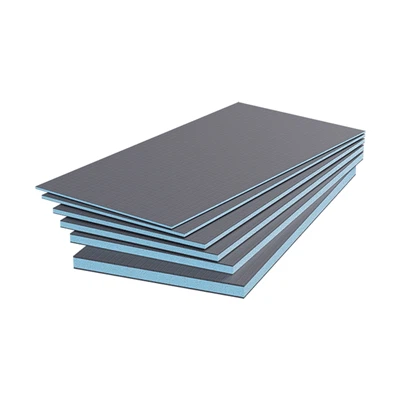
Backing panel installation requires several considerations. Before installation, ensure the base layer is flat, secure, and clean. An uneven base layer can cause the backing panel to warp or deform after installation, affecting its performance and aesthetics. For example, if the base layer has large protrusions or depressions, the backing panel will not fit tightly against the base layer, potentially creating gaps and reducing performance. A loose base layer can cause the backing panel to loosen or fall off during use, posing a safety hazard. Impurities and oil stains on the base layer's surface can affect the adhesion between the backing panel and the base layer and should be thoroughly removed. During installation, strictly follow the design requirements for layout and cutting to ensure the backing panel's size and shape meet installation requirements. Use appropriate cutting tools to ensure smooth, flat edges and avoid burrs. When splicing backing panels, ensure tight joints and avoid excessive gaps. Excessive gaps can affect the overall performance of the backing panel, such as its waterproofing and soundproofing capabilities. Use sealant to seal the joints to prevent moisture and air from penetrating through the gaps. When securing the backing board, choose appropriate fasteners, such as screws and nails, and ensure they are strong and corrosion-resistant. Space the fasteners appropriately to ensure a secure installation. Also, protect the backing board's surface from scratches and damage. Damage to the surface can affect its appearance and performance. After installation, inspect the backing board to ensure the joints are tight, the fasteners are secure, and any surface damage is present. Any problems should be repaired or addressed promptly.
 English
- English
- Français
- Deutsch
- 日本語
- Italiano
- Español
- Português
- русский
- Gaeilgenah Éireann
- ไทย
- Latviešu
- فارسی
- Cymraeg
- Svenska
- Melayu
- 한국어
- hrvatski
- Kreyòl Ayisyen
- Norsk
- dansk
- slovenščina
- हिंदी
- suomi
- Malti
- عربي
- Català
- România limbi
- Indonesia
- Nederlands
- Lietuvių
- bosanski
- Ελληνικά
- українська
- اردو
- Bai Miaowen
- magyar
- íslenska
- Български
- Eesti
- עברית
- Việt Nam
- Polski
- Čeština
- Türkçe
- slovenčina
- বাংলা