
If you’ve ever stood in the aisle of a home improvement store, staring at stacks of Goboard Tile Backer Board and wondering exactly how to prep it for your next tiling project, you’re not alone. As a supplier of this specialized backer board line, I’ve spent thousands of hours answering questions from contractors, remodelers, and DIYers, and one of the most consistent questions is: “Do I really need to tape the joints between my Goboard panels?” It’s a fair query—taping feels like an extra step, after all, and if you’re working on a bathroom wall or a kitchen backsplash, you’ve got a lot of small details to juggle. But the answer isn’t a simple yes or no. It depends on a mix of Goboard’s design, the space you’re tiling, and the science of what makes a backer board work to prevent water damage, which is the whole point of using products like Kitchen Countertop Waterproof Backer in the first place.
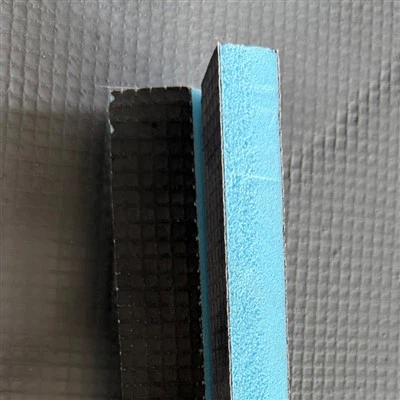
First, let’s ground this in what Goboard Tile Backer Board is, because not all backer boards are created equal. Unlike cement backer boards (which are porous and rely on mortar to seal small gaps), Goboard is a composite panel engineered to be water-resistant, not just water-resistant but water-shedding, for areas where moisture is a constant factor—think bathroom showers, kitchen countertops, and outdoor patio tiling. Its core is a high-density XPS foam core, which is then laminated to a water-resistant fiberglass mat on both sides. That mat is the part that makes Goboard different from other backer boards; it doesn’t absorb water, and it’s designed to hold up even if splashes or minor leaks find their way through the tile and grout. But the joints between panels? That’s the weak spot, where two fiberglass mats meet.
Let’s break down why joints matter. When you install backer board, you leave a small gap (about 1/8 inch) between each panel—just enough to let the material expand and contract as temperatures and humidity change. If you don’t fill or seal that gap, a few things can go wrong. For one, dust, debris, or even small amounts of water can get trapped between the panels and the structure behind them. Over time, that trapped moisture can lead to mold growth, which is a health hazard, or even rot in wooden studs or subfloors that are already prone to water damage. For another, the joints are rigid—if two panels shift even a little (say, from someone bumping a wall or a floor shifting slightly), the gap can widen, and the tile on top of that joint can crack. That’s a costly mistake; fixing a cracked tile means removing the grout, the tile, and sometimes part of the backer board underneath.
Now, when it comes to taping, the key isn’t just any tape. We’re talking specifically about fiberglass mesh tape, the same kind used to seal drywall joints, or the self-adhesive alkali-resistant tape made exclusively for backer board joints. But wait—some people will tell you that because Goboard’s fiberglass mat is already water-resistant, you don’t need to tape. That’s a half-truth. Let’s test that logic. If you’re tiling a dry area, like a closet wall that never gets damp, maybe the joint is less of a concern. But 9 times out of 10, when someone is using Goboard, they’re working in a moisture-rich space. That’s why we design Goboard to complement products like Waterproof Tile Backer, which is built for exactly those high-moisture applications. The fiberglass mat on Goboard’s surface stops water from seeping through the face, but the edge of each panel—where the fiberglass mat ends—is a raw, slightly porous cut. That’s the spot where water can sneak in. Taping that edge creates a continuous, water-resistant layer across the entire backer board surface, eliminating that weak point.
Let’s talk about a real-world example. Last year, we worked with a residential contractor in Denver who was tiling a shower surround for a master bathroom. He skipped taping the Goboard joints, thinking the panel’s water resistance would be enough. Six months later, the homeowner noticed a soft spot in the grout near the shower’s corner. When we pulled the tile back, we found mold growing in the gap between two Goboard panels. The moisture had seeped through the raw edges, trapped between the backer board and the wooden studs, and caused the studs to warp a little. The cost to fix it? More than $2,000, including replacing the studs, the backer board, and the tile. If he’d taped the joints, that mold would have never had a place to grow. That’s not an anomaly—we hear about this kind of issue at least a dozen times a year from contractors who cut corners on joint preparation.
But wait, what about the smaller details? The type of tape matters, too. We always recommend alkali-resistant fiberglass mesh tape, not paper tape (which absorbs water) or generic masking tape (which won’t stick or hold up to moisture). For Goboard specifically, the joint tape should be embedded in a thin layer of thin-set mortar, not just pressed into place on a dry joint. That thin-set acts as a glue to hold the tape in place, and it adds another layer of water resistance to the joint. Some suppliers sell self-adhesive joint tape for backer board, which can save time, but even that should be covered with a thin layer of thin-set to ensure it adheres properly and doesn’t peel away over time.
Another factor to consider: the thickness of your Goboard panels. We offer Goboard in several thicknesses, including the 6mm 6mm Waterproof Back Panel, which is lightweight and perfect for countertops, and thicker 12mm panels for shower walls. Does thickness change whether you need to tape? Not really—joints are joints, regardless of thickness. But for thinner panels, which are often used on countertops, the joint is more visible, so taping also helps create a smooth, even surface for the tile. If you skip taping a countertop joint, you’ll likely notice a slight dip or bump in the grout line later, which can be an eyesore and even catch crumbs or liquids, leading to more wear and tear.
What about cases where taping isn’t necessary? Let’s be honest—there are a few. If you’re using Goboard in a fully dry, non-exposed area, like a wall in a basement that’s finished and never gets damp, you could probably get away with skipping tape. But even then, we still recommend filling the joint with thin-set mortar, to prevent dust from getting trapped between panels. The only time taping is truly optional is if you’re tiling a very small, temporary space, like a small shed wall that’s never going to see moisture. But those cases are rare. For almost every project where Goboard is the right choice, taping the joints is a critical step.
Now, let’s address a common myth: some DIYers think that using a vapor barrier will replace the need for tape. A vapor barrier (like a plastic sheet) is often installed behind backer board, and it does help prevent water from reaching the studs. But a vapor barrier is only as good as its seams—if you don’t tape the vapor barrier’s own joints, water can still get through. Plus, a vapor barrier is installed on the other side of the backer board, so it can’t fix the problem of water seeping through the backer board’s edges to the front. Taping the Goboard joints creates a barrier on the surface side, right where the tile is, so water can’t get into the gap between panels at all. That’s why products like Lightweight Waterproof Backer Board are designed to work with proper joint taping, to create a fully waterproof system, not just a series of panels.
As a supplier, we don’t just sell backer boards—we also sell support. We host free workshops for contractors and DIYers at our warehouse, teaching them the proper way to install Goboard, including how to tape joints correctly. Last quarter, one DIY attendee told us he’d spent a weekend tiling his kitchen backsplash, and when he finished, he was so happy he’d taped all the joints. “Last year, I skipped tape on a bathroom backsplash and had to redo it when water got behind the tile,” he said. “This time, I followed your workshop steps, and it’s holding up perfectly after a year.” That’s the kind of feedback that makes our work worth it—knowing we’re helping people avoid costly mistakes.
Let’s also talk about the long-term value of taping. When you invest in a backer board like Goboard, you want that tile job to last 10, 20, even 30 years. Skipping joint taping might save you 10 minutes of work now, but it could lead to a major repair down the line. For example, a kitchen countertop is a high-traffic area; spills happen daily. If a spill seeps through a raw Goboard joint, it can damage the subfloor below, which is even harder to repair than a wall. Taping the joints creates a continuous, water-resistant layer that protects the entire surface, from the tile to the structure underneath.
We also want to make sure you’re getting the right product for your project. If you’re working on a kitchen countertop, our Kitchen Countertop Waterproof Backer is specifically designed for that use case, and it pairs perfectly with Goboard Tile Backer Board when joints are taped. If you need a lighter option for a shower niche, our XPS Composite Backer Panel is another great choice, and again, joint taping is recommended for all high-moisture installations.
So, to circle back to the original question: Does Goboard Tile Backer Board need to be taped at the joints? The short answer is, if you’re tiling a high-moisture area (shower, bathroom, kitchen countertop), yes—you absolutely should. Taping isn’t just an extra step; it’s a critical part of creating a durable, waterproof tile installation that will stand the test of time. It prevents mold, stops water damage, and creates a smooth, even surface for your tile. For dry, low-traffic areas, you might be able to skip it, but even then, filling the joint with mortar is a good idea to avoid debris buildup.


If you’re planning a project and have more questions about Goboard installation, or need help choosing the right backer board for your needs, reach out to our team. We’re here to help you get the details right, so your tiling project goes smoothly and lasts for years.
References:
- National Tile Contractors Association. (2021). "Backer Board Installation Guidelines for Residential Applications."
- Tile Council of North America. (2022). "Waterproofing Requirements for Ceramic and Stone Tile Installations."
- International Code Council. (2023). "Residential Building Code: Moisture Control in Wall and Floor Assemblies."
- Goboard Technical Services. (2023). "Joint Preparation Best Practices for Goboard Waterproof Backer Panels."
- US Department of Energy. (2022). "Preventing Mold and Rot in Residential Building Assemblies."