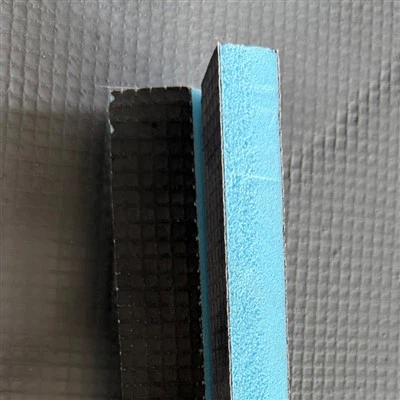

Hey everyone, if you’ve ever dabbled in DIY home projects—think tiling a bathroom, building a shower surround, or patching up a damp partition wall—you’ve probably stared at a stack of backer boards at the hardware store wondering which one’s actually worth your time. As a Kbrs Backer Board supplier who’s talked to hundreds of DIYers over the years, I get it: picking the right backer doesn’t just make your project look good—it keeps it from falling apart 6 months down the line. Today, I’m breaking down whether Kbrs is a solid pick for your next DIY job, no corporate jargon, just real talk from someone who lives and breathes this stuff.
First, let’s cut to the chase: what even is a backer board, and why should you care? For new folks in DIY, backer board is the unsung hero of tile jobs and moisture-prone spaces. It sits between your wall framing and tile (or other finishes) to prevent water from seeping into the studs, which is how you avoid mold, rot, and that awkward “my tile cracked and my wall’s rotting” disaster. That’s why choosing the right one isn’t just a “make it look nice” step—it’s a protect-your-home step.
Now, let’s talk Kbrs specifically. A lot of DIYers I chat with come in thinking all backer boards are the same, but Kbrs has some key perks that stand out for projects you’re tackling on your own time and budget. First off, its moisture resistance is no joke. I’ve seen guys use cheaper fiber cement boards before, and if you even spill a bucket of water on them and don’t dry it right away, they swell like a sponge. Kbrs? It’s engineered to repel water, which makes it perfect for bathrooms, laundry rooms, or any spot where moisture is a given. If you’re working on a shower or a backsplash that’ll get splashed daily, that water resistance is non-negotiable—no one wants to re-do their tile because the backer warped.
Wait, but let’s compare it to other options you might see. There’s foam backer board, which is super light and easy to cut with a utility knife—great if you’re not into hauling heavy lumber-style boards around. But here’s the catch: foam backer isn’t as rigid, so it can bow over time, especially if you’re tiling a large area. Kbrs is still lightweight (way easier than old-school cement board that feels like a brick) but it’s rigid enough to keep your tile flat, no bowing mid-install. And if you’re on a budget? Kbrs is usually more affordable than high-end specialty boards, which is a big win for DIYers who don’t want to drop a ton of cash on supplies.
But let’s get honest—no product is perfect, so I should call out the downsides, too. If you’re a total beginner who’s never cut backer board before, Kbrs does need a little more finesse than foam. It’s not as tough as cement board, but it’s harder than foam, so you can’t just hack through it with a utility knife—you’ll need a circular saw with a diamond blade or a jigsaw, which some new DIYers might not have on hand. But honestly, that’s a small hurdle, and once you get the hang of it, it’s way less messy than cement board (no dusty mess all over your garage, which is a huge plus).
Another thing I hear a lot: “Can I use Kbrs for a partition wall?” Let’s be real, partition walls are everywhere—added a closet, a new room in your basement, whatever. The backer board for a partition wall needs to be lightweight enough to handle, especially if you’re working alone, but also durable enough to support finishes like paint or tile. That’s where [Partition Wall Backing Board] comes in, and Kbrs fits that perfect middle ground. I’ve had tons of DIYers use Kbrs for partition walls because it’s not too heavy to lift, and it adds that extra layer of structure so your wall doesn’t feel flimsy. Way better than using drywall, which will soak up any moisture and grow mold in no time.
Wait, let’s circle back to moisture—because that’s where a lot of DIY projects go wrong. If you’re working in a space that gets regular water exposure (like a bathroom floor or a shower base), a regular backer won’t cut it. Kbrs is water-resistant, but if you need something extra for super damp areas, there’s [Waterproof Tile Backer Board] which is made to handle full immersion, like a shower pan. I always tell DIYers: don’t skimp here. I’ve seen people use regular Kbrs in a shower, and within a year, the water seeped through, rotted the studs, and they were out thousands in repairs. So know your space: if it’s a splashed area, Kbrs is solid; if it’s full-on constant water, go for the waterproof option linked there.
What about mold? That’s a big one, especially in basements or bathrooms where humidity is high. Kbrs is treated to resist mold and mildew, which is a huge relief. Cheaper backer boards don’t have that treatment, so even if you do everything right, mold can start growing in the gaps between the board and the wall. [Mold Resistant Backing Panel] is another option if you’re in a super humid spot, but Kbrs hits that mark for most standard DIY projects. I’ve had customers tell me their bathroom has had Kbrs for 3 years, no mold, no issues—way better than the old drywall they used before.
Let’s talk DIY-specific perks, because that’s what this whole post is about. When you’re doing a project on your own, time and ease matter. Kbrs is pre-cut to standard sizes (4x8, 3x5, whatever) which means you don’t have to waste time cutting big sheets yourself if you don’t want to. It also has a smooth surface that works great with thin-set mortar—no weird bumps or inconsistencies that will make your tile look lumpy. And because it’s lighter than cement board, you can carry it alone, no need for a buddy to help haul it up a ladder or through your house. That’s a game-changer for DIYers who are working solo.
But here’s the thing I always emphasize: even the best backer board won’t fix a bad installation. If you don’t seal the joints, use the right screws, or leave proper gaps, you’re asking for trouble. Kbrs comes with clear installation guides, which is perfect for beginners. Most DIYer guides online recommend applying a waterproof membrane over the backer, even with Kbrs, to add an extra layer of protection—trust me, that 10-minute step saves you from a lot of headaches later.
Wait, let’s address a common myth: some people think backer board is only for tile jobs. No, you can use Kbrs for other projects, like building a wet bar, a kitchen backsplash, or even an outdoor project like a small patio table with a tile top. Its moisture resistance makes it versatile, so it’s not just a one-trick pony. That’s why it’s such a good pick for DIYers who want a product they can use for multiple projects, not just one.
Now, let’s get real about value. A lot of DIYers are on a budget, and backer board can add up fast. Kbrs is priced competitively with mid-range backer boards, so you’re not overspending, but you’re getting a product that’s more durable and moisture-resistant than cheaper options. I’ve had a customer last month tell me he saved $50 by going with Kbrs instead of a foam board, and his tile job still looks perfect 2 months later. That’s the kind of win I love to hear.
But should you never get another type of backer? No, not necessarily. If you’re tiling a large shower area and want something ultra-light, foam backer might be better, but it’s not as durable. If you’re on a super tight budget, maybe a fiber cement board works, but you have to be careful with the weight and dust. For most DIYers—someone who’s done a few projects, working on a bathroom, backsplash, or partition wall—Kbrs hits the sweet spot: easy to work with, durable, moisture-resistant, and affordable.
Now, if you’re ready to grab Kbrs for your project, or want to check out other options like [Water Resistant Foam Backer Board] if that fits your needs, or [Moisture-proof And Waterproof Back Panel] for extra damp spaces, just reach out. As a supplier, I’m here to help you pick the right product for your project, no pressure, no confusing sales talk. We’ve got bulk options if you’re working on a big job, and small packs for DIYers who don’t need a full sheet.


If you’ve tried Kbrs on a project before, or have questions about which backer board is right for you, drop a comment below—I’m always here to help fellow DIYers avoid the mistakes I’ve seen over the years. Don’t hesitate to reach out for pricing, availability, or advice on your next project.
References:
- Home Improvement Research Institute. (2022). Moisture Resistance in Backer Boards for Residential Tiling Projects.
- DIY Network. (2023). Beginner’s Guide to Backer Board Installation for Bathroom Renovations.
- Building Science Corporation. (2021). Mold and Mildew Prevention in Interior Wall Assemblies.
- National Kitchen and Bath Association. (2022). Best Practices for Backer Board Selection in Wet Areas.