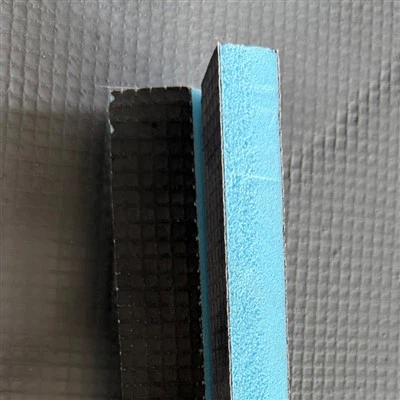

If you’ve spent any time researching tile installation, shower renovations, or moisture-resistant building materials, you’ve likely come across Kbrs Backer Board as a reliable go-to for professionals and DIY homeowners alike. One of the most common questions I get as a supplier of Kbrs Backer Board is about its surface texture: is it smooth or rough? The answer isn’t one-size-fits-all, and that’s intentional—because texture is tailored to solve specific problems for different applications. Let’s break this down, starting with what makes Kbrs Backer Board unique and why its surface matters for your project.
First, let’s set the context: Kbrs Backer Board isn’t a single product. It’s a line of backer boards designed for different high-moisture environments, from shower walls to basement floors, and even exterior siding. Surface texture is a deliberate feature, not an afterthought, and it’s engineered to balance functionality, ease of installation, and long-term durability. To understand why, let’s start with the two primary surface types you’ll find in Kbrs Backer Board offerings, and when each makes the most sense.
The Two Core Surface Profiles of Kbrs Backer Board
When I explain this to customers, I always emphasize that texture depends on whether the board is made for interior, moisture-heavy spaces or exterior, structural applications. The first type is a fine, controlled rough surface, and the second is a smooth, uniform finish. Let’s dive into each:


- Structural Rough Surface (Standard Kbrs Backer Board for Walls & Floors)
Most standard Kbrs Backer Board models (the ones used for shower surrounds, kitchen backsplashes, and bathroom floors) feature a medium-density rough surface. This texture isn’t random—it’s a mechanical key, designed to create a strong bond with tile adhesive. Tile adhesive, whether thinset or mastic, works best when it has a textured base to grip; a smooth surface would cause the adhesive to slide or fail over time, leading to loose tiles, water intrusion, and costly repairs.
You might be wondering: why not just make the surface extra rough? Because too much texture can create gaps under tile, trap moisture, and make it harder to ensure a level finish. Kbrs engineers test every batch to get the rough surface just right—coarse enough for adhesion, but consistent enough to avoid unevenness. I often point customers to our Moisture Resistant Tile Backer Board page to see examples of this standard rough texture; you’ll notice it’s uniform across the entire board, no sharp bumps or inconsistencies.
This rough surface also serves a secondary purpose: it hides minor flaws in underlying subfloors or wall studs. If you’re working with a slightly bowed wall or a subfloor that’s not perfectly level, the texture of the backer board can help compensate for small deviations, making tile installation faster and more forgiving. For professionals, that means less time spent prepping surfaces and more time on the finished product.
- Smooth Surface Kbrs Backer Board (Insulated & Specialty Models)
There is, however, a smooth surface option—for specialized applications where a rough texture would cause problems. Our insulated Kbrs Backer Board line, for example, features a smooth, rigid face that integrates with insulation to boost energy efficiency in exterior walls or unheated spaces. Why smooth here? Because in insulated applications, the goal is to create a continuous, air-sealed surface. A rough texture would leave gaps between the backer board and insulation, reducing insulation effectiveness and creating air leaks that drive up energy costs.
I also recommend the smooth surface for foam backer board variants, which I direct customers to on our Foam Waterproof Backer Board page. Foam-based Kbrs Backer Board doesn’t rely on mechanical adhesion for tile like cement-based models do; instead, it uses a specialized adhesive that works better on a smooth, non-porous surface. The smooth face also resists water absorption better than a rough surface, which is critical for foam boards that need to stay lightweight and moisture-free for years.
Another place you’ll find a smooth surface is in our Waterproof Tile Board for Shower high-performance line, specifically the version used for wet areas like shower walls where a secondary waterproof membrane is applied. The smooth surface here makes it easy to roll on membrane without catching on texture, ensuring a seamless, leak-proof barrier between the backer board and the tile.
How Surface Texture Impacts Installation & Durability
Let’s get into the practical side, because the difference between smooth and rough surfaces isn’t just about adhesion—it’s about how your project holds up over time. For standard rough-surface Kbrs Backer Board, the rough texture means fewer steps during installation: you can apply thinset directly to the backer board without needing to score or rough up the surface first. That cuts down on prep time, which is a big win for both DIYers and contractors. I’ve seen customers try to cut corners by using a smooth backer board in a shower, only to end up with loose tiles a year later; the texture isn’t just a preference, it’s a requirement for proper tile bonding in high-moisture interior spaces.
For smooth-surface models, the tradeoff is worth it for specialized use cases. The smooth face is easier to clean, too—no crevices to trap soap scum or grime, which is ideal for shower areas where hygiene is a top priority. It’s also lighter than rough-surface cement backer board, which makes it easier to lift and install on overhead shower walls, reducing strain during a renovation project.
Common Misconceptions About Kbrs Backer Board Surfaces
I’ve heard a lot of myths over the years, so let’s clear up the biggest ones. First: a rough surface means a less waterproof board. That’s not true. All Kbrs Backer Board models, whether smooth or rough, are formulated with moisture-resistant additives that prevent water absorption. The rough texture is on the outer face only; the core of the board is water-resistant regardless. For reference, check our Building Waterproof Backing page for details on our full line’s waterproofing standards.
Another myth: smooth surface boards are lower quality. No way—specialized smooth-surface models are engineered for specific tasks, not as a "step down" from standard boards. Our insulated smooth-surface backer board, for example, meets the same industry durability standards as our rough-surface models, with the added benefit of insulation to keep spaces comfortable.
When to Choose Which Surface
To wrap this up, let’s give you a quick guide based on your project:
- If you’re tiling a shower, kitchen backsplash, bathroom floor, or any interior wall with direct tile application: go for the standard rough-surface Kbrs Backer Board. It’s designed for mechanical tile adhesion and will give you the longest-lasting results.
- If you’re working on an exterior wall, unheated basement, or a project with a secondary waterproof membrane: opt for the smooth-surface insulated or waterproof tile board models. They offer air-sealing, energy efficiency, and compatibility with membrane applications.
I’ve been supplying Kbrs Backer Board for over a decade, and the number one mistake I see is customers choosing the wrong surface for their space. A little bit of planning here saves you from tile rework, leaks, and headaches down the line.
If you’re ready to order Kbrs Backer Board for your next project, or have more questions about surface texture, application, or sizing, reach out to our team to discuss your specific needs. We’re here to help you pick the right board for your space, no matter how big or small.
References
- Kbrs Backer Board Technical Specifications, 2024
- International Code Council (ICC) Standards for Backer Board Installation, 2023
- Tile Council of North America (TCNA) Handbook for Tile Installation, 15th Edition
- ASTM C1288 Standard Specification for Glass Mat Faced Gypsum Backer Board