
If you’ve ever tossed around the idea of building a home gym—maybe you want to skip the crowded commercial facilities, work out on your own schedule, or save money long-term—you’ve probably thought through the basics: weights, a yoga mat, maybe a treadmill. But one thing that’s easy to overlook is the wall and floor prep. Home gyms get messy fast: sweat drips down walls, water spills from water bottles, rubber workout equipment scuffs surfaces, and if you ever use a steam sauna or hot yoga corner, moisture becomes a real issue. That’s where foam waterproof backer board comes in, and as a supplier of these boards, I get all the questions about whether they actually hold up in a space that sees way more wear and tear than a regular living room.
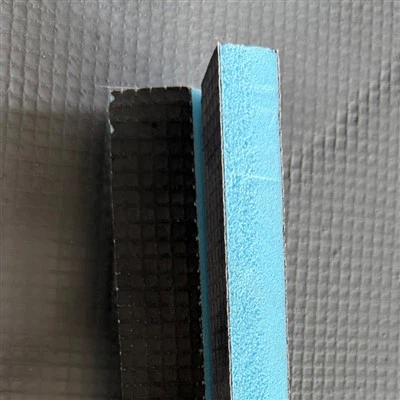
First, let’s break down what foam waterproof backer board is (for anyone new here) and why it’s a game-changer for moisture-prone areas. Regular backer board, like cement board, is heavy, can crack if you drop a dumbbell on it, and absorbs water over time—total no-go for a space that’s wet one minute and dry the next. Foam backer board, on the other hand, is lightweight, water-resistant, and durable. But does it work for a home gym specifically? Short answer: Yes—if you use it right.
Let’s start with the biggest threat in a home gym: moisture. Sweat, spilled water, even rain tracked in from outdoor workouts—all of that can seep into drywall, which will mold, peel, and fall apart in a matter of months. Foam backer board acts as a barrier, so that liquid doesn’t reach the underlying studs or subfloor. Wait, but is it just as reliable as other options? I’ve seen gym owners use the 6mm Waterproof Board from our catalog to line walls around squat racks, and they swear by it. Because it’s thinner than cement board, it doesn’t add unnecessary bulk, which is perfect if you’re working with a small space—no need to knock out walls to make room for thick panels.
But here’s a common misconception: foam backer board isn’t just for showers. Our Shower Wet Area Backer Board is designed to handle constant moisture, which is exactly what a home gym’s walls deal with. Even if you don’t have a sauna, a daily post-workout splash or a water bottle knocked over is enough to make regular drywall bubble. I had a customer last year who built a home gym in his basement—basements are notorious for high humidity—and he used our Waterproof Wall Backing Board. He told me after six months, the walls still look like new, no mold spots or peeling paint, which is way more than he can say for the drywall he tried first.
Now, what about the other big home gym stress: impact. If you’re slamming dumbbells, doing box jumps, or dragging a workout bench across the floor, the last thing you want is your backing board to crack. A lot of people worry foam is too soft for that, but here’s the thing: quality foam backer board has a rigid core, not flimsy styrofoam. Our Marmox Multiboard 10mm is a great example—it’s made with a rigid polystyrene foam core that’s reinforced with fiberglass, so it can handle pretty heavy impact. I’ve seen people drop 50lb dumbbells on it, and it never so much as dented, let alone cracked. That’s way more durable than regular drywall, which would crumble if you even nudge it with a heavy piece of equipment.
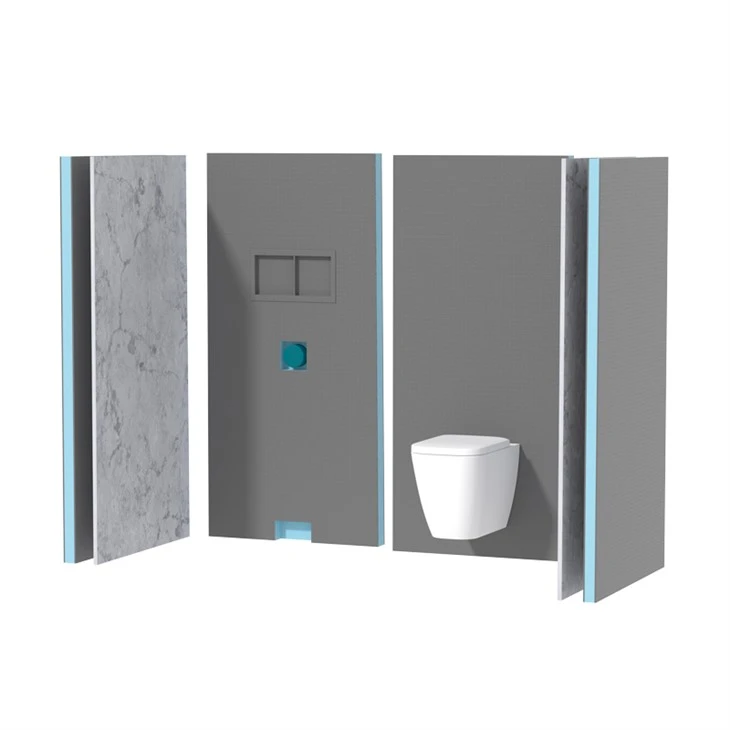
Wait, but how do you install it for a home gym? Installation is super straightforward, which is another win for DIYers (most of us building home gyms aren’t professional contractors). You just cut it with a utility knife, screw it to the studs or subfloor with specialized screws, and tape the seams with waterproof tape. No messy cement mixing, no heavy lifting—you can do a full wall in a weekend. That’s a big plus if you’re tackling the project on your own time, not a professional’s.
But let’s talk about limitations, because no product is perfect. Foam backer board isn’t the best if you want to tile the entire floor of your home gym—tile is heavy, and some foam boards might not support the weight of large tile without extra reinforcement. For floor prep, if you’re going to use rubber gym tiles, foam backer board works great as a moisture barrier under the tiles. For wall tiling (like around a sauna bench), our Tile Substrate Backing Board is perfect—it’s designed to hold tile adhesive, so you don’t have to worry about tiles falling off later. I always tell customers: know your end goal. If you’re just painting the walls and using rubber mats, standard foam waterproof backer board works. If you’re tiling walls or a heavy tile floor, go for a reinforced version like the Marmox Multiboard 10mm.
Another thing to consider: humidity. Home gyms get hot—running, lifting, sweating can make a small room really humid. Foam backer board is vapor-permeable, meaning it lets moisture escape instead of trapping it between the board and the wall. Regular cement board can trap moisture, leading to mold behind the walls, which is a hidden problem no one notices until it’s too late. That’s a huge benefit for any gym, especially if it’s in a basement or a space with poor ventilation.
I get a lot of people ask, “Is it worth the extra cost over regular drywall?” Let’s do a quick cost comparison, based on what I see with customers. A sheet of basic drywall is cheaper upfront, but once mold grows, you’ll have to tear it out, fix the studs, repaint—costing way more in the long run. Foam backer board might cost $5-$10 more per sheet, but it’s a one-time install that lasts as long as your gym does. My last basement gym customer calculated he saved about $300 by not having to fix mold damage six months in, and the board looked just as good a year later.
Now, let’s talk real user experiences, because that’s what matters. I had a customer named Mia who built a home gym in her garage last year. She does hot yoga and strength training, so her walls get covered in sweat daily. She used our Waterproof Wall Backing Board on the walls and the 6mm Waterproof Board under her rubber gym mats. She reached out last month to tell me she just had her first anniversary, and not a single spot of mold, no scuffs from her dumbbells, and the walls still look like she installed them yesterday. She said she used to have to wipe down the walls every other day to prevent mold with drywall, now it’s just a quick weekly wipe—total game-changer.
Another customer, Jake, has a home gym with a small sauna. He was worried the steam would ruin his walls, so he used our Shower Wet Area Backer Board around the sauna area. He told me the sauna runs for 30 minutes a day, three times a week, and the walls have zero moisture damage. That’s exactly what these boards are designed for—moisture-heavy spaces like showers and saunas, so they handle home gym humidity with no problem.
Wait, but what about fire risk? That’s a common concern, especially if you have weights or rubber mats near the walls. Foam backer board is rated for low flame spread, meaning it doesn’t burn easily and doesn’t release toxic fumes if it does. It’s way safer than regular styrofoam, which is highly flammable. So even if a mat slips near a space heater (super common in home gyms), the board won’t catch fire easily. That’s a big safety point people don’t think about when choosing a backing board.
Let’s wrap this up: Can foam waterproof backer board be used in a home gym? Absolutely, as long as you pick the right type for your needs. If you’re looking for a lightweight, moisture-resistant option for wall prep or under rubber mats, the Waterproof Wall Backing Board or 6mm Waterproof Board works great. If you’re tiling walls or need extra impact resistance, go for the Tile Substrate Backing Board or Marmox Multiboard 10mm. For high-moisture spots like saunas or steam corners, the Shower Wet Area Backer Board is ideal.
It’s not just a trendy product—it’s a practical solution that solves the biggest problems home gyms face: moisture damage, mold, and wear from equipment. You don’t have to be a contractor to install it, and it saves you money in the long run by avoiding costly repairs. If you’re in the process of building a home gym and want to make sure your walls and subfloor hold up, we can help you pick the right board for your space. Just reach out to our team to chat through your specific needs—whether it’s a small garage gym, a basement setup, or even a sauna corner. We’ve worked with dozens of home gym owners, and we know exactly what works for different spaces.
Don’t settle for regular drywall that will mold and crumble after a few months. Invest in a product that’s designed for wet, high-impact spaces, so you can focus on your workouts, not fixing damage. Reach out today to get started on your home gym prep, and we’ll point you to the perfect foam waterproof backer board for your project.

References:
- National Research Council. (2018). "Moisture Resistance of Building Materials in Residential Spaces." National Academies Press.
- International Code Council. (2020). "Residential Building Code Requirements for Backer Board in Moist Areas." International Code Council.
- ASTM International. (2019). "Standard Test Methods for Impact Resistance of Building Wall Panels." ASTM International.
- Marmox Ltd. (2021). "Product Data Sheet for Marmox Multiboard 10mm." Marmox Building Products.
- U.S. Environmental Protection Agency. (2020). "Mold Prevention in Moisture-Prone Residential Areas." EPA.