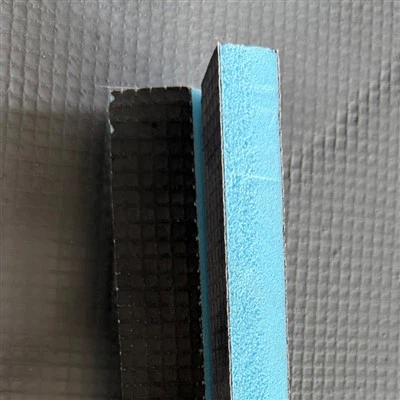

When it comes to renovating or building wet areas like bathrooms, the choice of building materials is crucial. One material that has gained significant attention in recent years is the Waterproof Foam Backer Board. As a supplier of this innovative product, I am often asked whether it can be used effectively in wet areas. In this blog post, I will delve into the properties of waterproof foam backer board, its suitability for bathrooms, and how it compares to other traditional materials.
Understanding Waterproof Foam Backer Board
Waterproof foam backer board is a lightweight, rigid panel made from a foam core that is typically covered with a waterproof coating or facing. The foam core provides excellent insulation properties, while the waterproof layer protects the board from moisture penetration. This combination makes it an attractive option for use in areas where water exposure is a concern, such as bathrooms, kitchens, and laundry rooms.
One of the key advantages of waterproof foam backer board is its ease of installation. Unlike traditional cement backer boards, which can be heavy and difficult to cut, foam backer boards are lightweight and can be easily cut to size using a utility knife. This not only saves time during installation but also reduces the risk of injury. Additionally, foam backer boards are available in a variety of thicknesses and sizes, making them suitable for a wide range of applications.
Suitability for Bathrooms
So, can waterproof foam backer board be used in bathrooms? The answer is a resounding yes. In fact, waterproof foam backer board is an ideal choice for bathroom applications for several reasons.
Moisture Resistance
The primary concern in any wet area is moisture control. Waterproof foam backer board is designed to resist moisture penetration, preventing water from seeping into the wall or floor structure. This helps to prevent mold and mildew growth, which can not only damage the building materials but also pose a health risk to occupants. The waterproof coating on the surface of the board acts as a barrier, keeping water out and ensuring the longevity of the installation.
Insulation Properties
Bathrooms are often cold and damp, especially in the winter months. Waterproof foam backer board provides excellent insulation, helping to keep the bathroom warm and comfortable. The foam core acts as a thermal barrier, reducing heat loss through the walls and floors. This not only improves the energy efficiency of the bathroom but also enhances the overall comfort of the space.
Durability
Waterproof foam backer board is a durable material that can withstand the rigors of daily use in a bathroom. It is resistant to impact, scratches, and abrasions, making it suitable for use in high-traffic areas. Additionally, the board is not prone to warping or cracking, ensuring a long-lasting and stable installation.
Compatibility with Tile
Tile is a popular choice for bathroom walls and floors due to its durability, water resistance, and aesthetic appeal. Waterproof foam backer board provides an excellent substrate for tile installation. It has a smooth surface that allows for easy tile adhesion, ensuring a secure and long-lasting bond. Additionally, the board's flexibility helps to prevent tile cracking, especially in areas where there may be slight movement or vibration.
Comparison with Other Materials
When considering using waterproof foam backer board in a bathroom, it is important to compare it with other traditional materials, such as cement backer board and drywall.
Cement Backer Board
Cement backer board has long been the standard choice for wet area applications. It is a heavy, rigid panel made from cement and fiber reinforcement. While cement backer board is highly durable and resistant to moisture, it has several drawbacks. It is heavy and difficult to cut, which can make installation time-consuming and labor-intensive. Additionally, cement backer board does not provide any insulation properties, which can result in a cold and uncomfortable bathroom.
Drywall
Drywall is a common material used in interior walls and ceilings. It is made from gypsum plaster sandwiched between two layers of paper. While drywall is lightweight and easy to install, it is not suitable for use in wet areas. It is highly absorbent and can quickly become damaged when exposed to water. This can lead to mold and mildew growth, as well as structural damage to the wall or ceiling.
In comparison, waterproof foam backer board offers the best of both worlds. It is lightweight, easy to install, and provides excellent moisture resistance and insulation properties. It is also compatible with tile and other finishing materials, making it a versatile choice for bathroom renovations.


Types of Waterproof Foam Backer Boards
There are several types of waterproof foam backer boards available on the market, each with its own unique features and benefits. One popular option is the Waterproof Tile Board, which is specifically designed for tile installation in wet areas. This board has a smooth surface that provides excellent tile adhesion and is available in a variety of thicknesses and sizes.
Another option is the Marmox Multiboard 10mm, which is a high-performance waterproof foam backer board. It is made from extruded polystyrene foam and has a unique composite structure that provides excellent strength and durability. The Marmox Multiboard 10mm is also highly resistant to moisture, making it suitable for use in even the most demanding wet area applications.
Installation Considerations
When installing waterproof foam backer board in a bathroom, it is important to follow the manufacturer's instructions carefully. Here are some general installation tips to keep in mind:
- Prepare the Surface: The surface where the foam backer board will be installed should be clean, dry, and level. Any existing wallpaper, paint, or debris should be removed, and the surface should be sanded smooth.
- Cut the Board: Use a utility knife to cut the foam backer board to the desired size. Make sure to measure and mark the board accurately before cutting.
- Install the Board: Apply a thin layer of construction adhesive to the back of the foam backer board and press it firmly against the wall or floor. Use screws or nails to secure the board in place, making sure to space them evenly.
- Seal the Joints: Use a waterproof sealant to seal the joints between the foam backer boards. This will help to prevent water from seeping into the wall or floor structure.
- Install the Tile: Once the foam backer board is installed and the joints are sealed, you can proceed with the tile installation. Follow the manufacturer's instructions for tile adhesive and grout application.
Conclusion
In conclusion, waterproof foam backer board is an excellent choice for use in wet areas like bathrooms. It offers superior moisture resistance, insulation properties, and durability compared to traditional materials. It is also lightweight, easy to install, and compatible with tile and other finishing materials. Whether you are renovating an existing bathroom or building a new one, consider using waterproof foam backer board for a long-lasting and high-performance installation.
If you are interested in learning more about our Waterproof Foam Backer Board products or would like to discuss your specific project requirements, please feel free to contact us. Our team of experts is available to answer your questions and provide you with the information you need to make an informed decision. We look forward to working with you on your next bathroom project.
References
- Building Code Requirements for Residential Construction.
- Manufacturer's Installation Instructions for Waterproof Foam Backer Board.
- Research Studies on Moisture Resistance and Insulation Properties of Foam Backer Boards.