
When it comes to fastening solutions, nylon self - tapping screws have gained significant popularity in various industries due to their unique properties such as corrosion resistance, electrical insulation, and lightweight. One of the most frequently asked questions from our customers, as a leading nylon self - tapping screws supplier, is whether these screws require pre - drilling. In this blog post, we will delve into this topic, analyzing the factors involved and providing guidance to help you make informed decisions for your projects.
Understanding Nylon Self - Tapping Screws
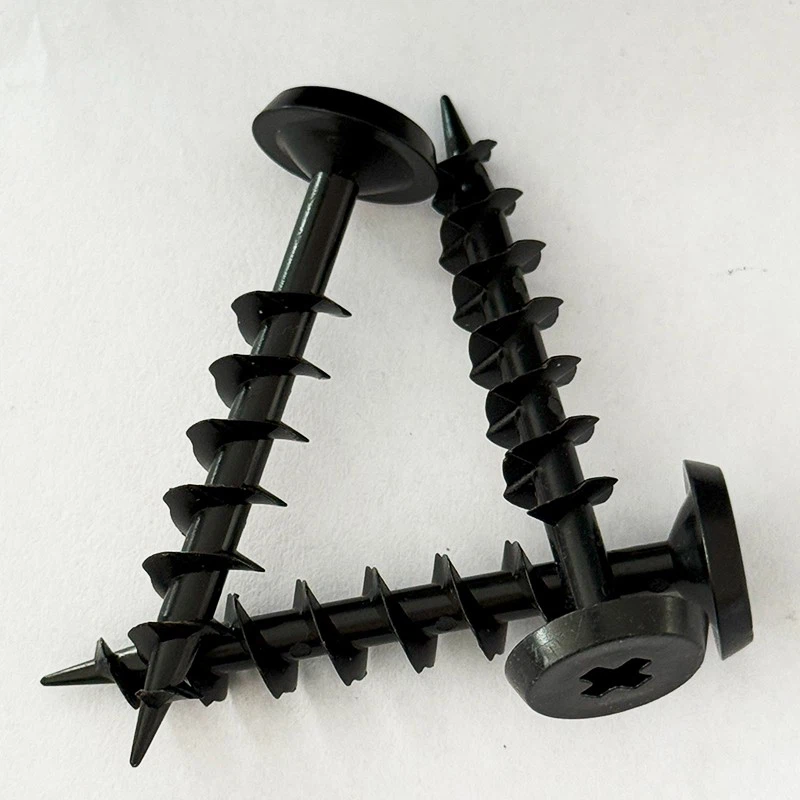
Nylon self - tapping screws are designed to cut their own threads as they are driven into a material. This characteristic makes them a convenient choice for many applications, eliminating the need for separate tapping operations in some cases. They are commonly used in materials like plastics, wood, and soft metals.
The self - tapping feature of these screws is achieved through their special thread design. The threads are sharp and angled in a way that allows them to bite into the material and create a secure hold. Nylon, as a material, offers additional benefits such as flexibility, which can help prevent cracking in the substrate, especially in brittle materials like certain plastics.

Factors Influencing the Need for Pre - Drilling
Material Type
The type of material you are fastening into is a crucial factor.
Plastics:
In many cases, nylon self - tapping screws can be driven directly into soft plastics without pre - drilling. Soft plastics like polyethylene and polypropylene have a low hardness, and the self - tapping action of the screw can easily cut through them. However, for harder plastics such as polycarbonate or acetal, pre - drilling may be necessary. These plastics are more brittle, and driving a screw directly without pre - drilling can cause cracking or splitting. A pilot hole of the appropriate size can help guide the screw and reduce the stress on the plastic, ensuring a successful installation.
Wood:
Softwoods like pine or cedar are generally forgiving and can often accept nylon self - tapping screws without pre - drilling. The fibrous nature of wood allows the screw to cut through the fibers and create a tight fit. However, hardwoods like oak or maple are much denser and harder. Pre - drilling is usually recommended for hardwoods to prevent the screw from splitting the wood. A pilot hole also helps in aligning the screw and makes the installation process smoother.
Metals:
When it comes to metals, the situation is more complex. Soft metals such as aluminum can sometimes be fastened with nylon self - tapping screws without pre - drilling, especially in thin sheets. However, for thicker aluminum or harder metals like steel, pre - drilling is almost always required. The hardness of metals makes it difficult for the nylon screw to cut through without a proper starting point. A pilot hole reduces the risk of the screw breaking or stripping the threads in the metal.
Screw Size
The size of the nylon self - tapping screw also plays a role. Larger screws require more force to drive in and can cause more stress on the material. For larger diameter screws, pre - drilling is often advisable, regardless of the material type. A smaller screw may be able to penetrate the material more easily without the need for a pilot hole. For example, a small Self Tapping Screws 8 - 32 may be suitable for direct installation in some soft materials, while a larger diameter screw may need pre - drilling.
Substrate Thickness
The thickness of the material being fastened is another important consideration. In thin materials, pre - drilling may not be necessary as the screw can easily penetrate through. However, as the thickness increases, the resistance to the screw's entry also increases. For thick substrates, pre - drilling can help the screw start the threading process more smoothly and reduce the risk of the screw getting stuck or causing damage to the material.
Benefits of Pre - Drilling
Reduced Risk of Damage
As mentioned earlier, pre - drilling helps reduce the risk of cracking, splitting, or stripping in the substrate. This is especially important in materials that are prone to damage, such as brittle plastics and hardwoods. By creating a pilot hole, the screw can follow a defined path, minimizing the stress on the material and ensuring a more secure and reliable installation.
Improved Alignment
A pilot hole provides a guide for the screw, ensuring that it goes in straight. This is particularly important in applications where precise alignment is required. Misaligned screws can not only look unprofessional but also compromise the integrity of the joint. Pre - drilling helps maintain the correct orientation of the screw, resulting in a better - looking and more functional installation.
Easier Installation
In some cases, pre - drilling can make the installation process easier, especially in hard materials. Driving a screw into a pre - drilled hole requires less force, which can save time and effort. It also reduces the wear and tear on the screw and the installation tools, potentially extending their lifespan.
When Pre - Drilling May Not Be Necessary
As we have discussed, there are situations where pre - drilling is not required. For soft and thin materials, and with smaller screws, direct installation of nylon self - tapping screws can be successful. For example, if you are fastening a nylon self - tapping screw into a thin sheet of soft plastic or a piece of softwood, you may be able to skip the pre - drilling step. However, it is always a good idea to test on a scrap piece of the same material first to ensure that the screw can be installed without causing any damage.
Selecting the Right Pilot Hole Size
If you decide to pre - drill, selecting the correct pilot hole size is crucial. The size of the pilot hole depends on the screw size and the material. As a general rule, the pilot hole should be slightly smaller than the minor diameter of the screw thread. This allows the screw to cut into the material and create a tight fit.
For plastics, a pilot hole that is about 70 - 80% of the screw's minor diameter is often suitable. For wood, the pilot hole size can vary depending on the hardness of the wood. For softwoods, a hole that is about 60 - 70% of the screw's minor diameter may be sufficient, while for hardwoods, a hole around 70 - 80% is recommended. For metals, the pilot hole size should be carefully selected based on the specific metal and the screw size. It is advisable to consult a screw size chart or the manufacturer's recommendations for the most accurate pilot hole size.
Conclusion
In conclusion, whether nylon self - tapping screws require pre - drilling depends on several factors, including the material type, screw size, and substrate thickness. While there are situations where pre - drilling can be skipped, it is often beneficial, especially in hard or brittle materials. As a supplier of Self Tapping Nylon Screws, we are committed to providing high - quality products and expert advice to our customers.
If you are unsure whether pre - drilling is necessary for your specific application, or if you need assistance in selecting the right nylon self - tapping screws, our team of experts is here to help. We can provide detailed guidance based on your project requirements. Contact us to discuss your procurement needs and let us help you find the best fastening solutions for your projects.
References
- Machinery's Handbook, 31st Edition, Industrial Press Inc.
- Plastics Engineering Handbook, Hanser Publications
- Woodworking Basics: A Comprehensive Guide, Taunton Press