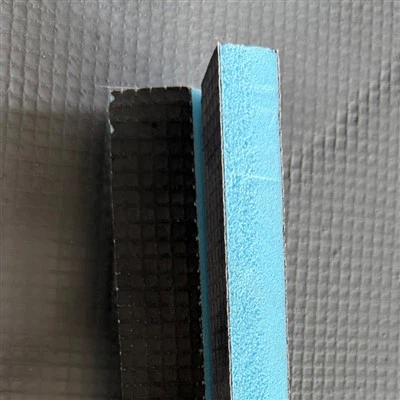

Hey there! As a supplier of Tile Backer Boards, I've seen my fair share of folks struggling with the proper way to lift and move these boards safely. It's not as simple as just grabbing them and hauling them around. In this blog post, I'm gonna walk you through some essential tips and tricks to make sure you handle these boards without any issues.
First off, let's talk about why it's so important to lift and move tile backer boards safely. These boards are usually pretty heavy and can be quite clumsy to handle. If you don't lift them properly, you could end up straining your back, hurting your shoulders, or even dropping the board and damaging it. And let me tell you, a damaged board is not gonna do you any good in your tiling project.
Before you even start lifting the Tile Backer Boards, make sure you've got the right gear. You'll need a good pair of work gloves to protect your hands from splinters and rough edges. Safety glasses are also a must, especially if you're working in an area where there's a risk of debris flying around.
Now, when it comes to actually lifting the boards, you want to use your legs, not your back. Yeah, I know it sounds like a cliche, but it really is crucial. Stand close to the board with your feet shoulder-width apart. Bend your knees and keep your back straight as you grip the board firmly. Then, slowly stand up, using your leg muscles to do the heavy lifting. Avoid twisting your body while you're lifting, as this can put a lot of strain on your back.
If the Tile Backer Board is too long or too heavy to lift on your own, don't be afraid to ask for help. Two people can usually lift and move these boards much more safely than one. When working with a partner, make sure you both communicate clearly. Decide on a plan for lifting and moving the board before you start. You might want to count to three and lift together to ensure a smooth and coordinated movement.
Once you've got the board lifted, you need to think about how you're going to move it. If you're moving the board over a short distance, you can carry it close to your body. This will help you keep better control and reduce the risk of dropping it. But if you're moving it a longer distance, it's a good idea to use a hand truck or a dolly. These tools can make it much easier to transport the boards without straining yourself.
When using a hand truck or a dolly, make sure the board is secured properly. You don't want it to slide off while you're moving. You can use straps or bungee cords to keep the board in place. Also, be careful when going up or down stairs. Take your time and make sure the hand truck or dolly is stable.


Another thing to keep in mind is the surface you're moving the Tile Backer Boards on. If the surface is rough or uneven, it can cause the board to get scratched or damaged. Try to move the boards on a smooth, flat surface. If you have to move them over a rough area, you can use a piece of plywood or a carpet to protect the board.
Now, let's talk about storing the Tile Backer Boards. When you're not using them, you want to store them in a dry, cool place. Moisture can cause the boards to warp or rot, which will make them useless for your tiling project. You can stack the boards on top of each other, but make sure they're supported evenly. You don't want them to lean or fall over.
If you're looking for high-quality Tile Backer Boards, we've got you covered. Our Tile Backer Boards are made from the best materials and are designed to last. We also offer a 100% Waterproof Tile Backer Board that's perfect for wet areas like bathrooms and kitchens. And if you're specifically in need of a waterproof option, check out our Waterproof Backing Board.
So, there you have it — some tips on how to lift and move Tile Backer Boards safely. Follow these guidelines, and you'll be able to handle these boards like a pro. And if you're interested in purchasing Tile Backer Boards for your next project, don't hesitate to reach out to us. We're here to help you get the best products for your needs. Just get in touch, and we'll start the procurement discussion right away.
References:
- Occupational Safety and Health Administration (OSHA) guidelines on manual lifting
- Industry best practices for handling building materials