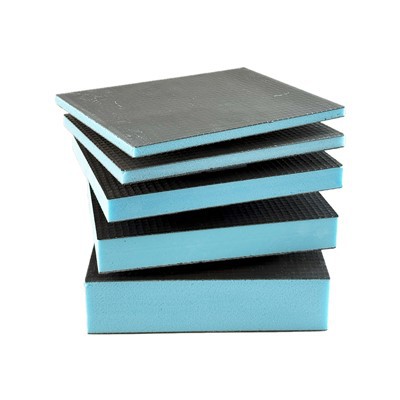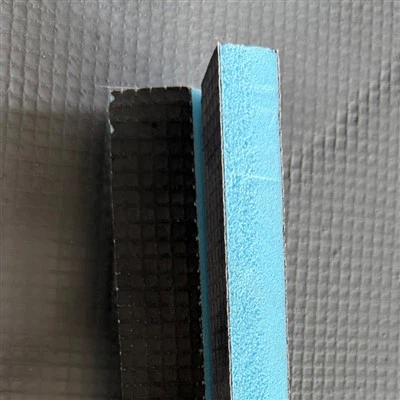

If you’ve ever worked on a bathroom, shower, or any wet area renovation, you’ve probably heard of foam waterproof backer boards—they’re a game-changer for keeping moisture out and tile work looking sharp. But here’s the thing I get asked all the time as a supplier: “What type of paint actually works on these things?” It’s not a trivial question, either. Use the wrong paint, and you’ll end up with peeling, bubbling, or even water seeping through the board itself. Let’s break this down, based on what we’ve learned from working with installers, contractors, and DIYers over the years.
First, let’s make sure we’re on the same page about foam waterproof backer boards. These aren’t your old-school cement backer boards—they’re lightweight, moisture-resistant, and designed to handle areas where water is a constant, like shower walls, bathrooms, or even outdoor wet spaces. Unlike cement boards, which can be heavy and prone to crumbling if exposed to too much water, foam backer boards have a closed-cell foam core that repels moisture, making them way easier to cut and install. If you’re new to this, we’ve got a ton of resources on our site, including dedicated pages for Waterproof Backer Board for Shower Walls, Waterproof Tile Backer Boards, and Waterproof Bathroom Backer Board — those are great if you want to learn more about the basics of the boards themselves.
Now, why does paint matter here? Foam backer boards aren’t made like wood or drywall. Their surface is smooth, and if you skip the right prep and the right paint, the coating won’t adhere properly. Plus, in wet areas, regular interior paint can’t handle constant humidity or occasional splashes—it’ll break down fast, leaving the board unprotected. That’s a big problem because the whole point of using a foam backer board is to prevent water damage. So you need a paint that does two main things: sticks to the foam surface and stands up to moisture.
Let’s start with the biggest no-nos first. You should never use regular latex interior paint on a foam waterproof backer board. I’ve seen it happen so many times—someone slaps on a can of their go-to white paint, and within a year, it’s bubbled and peeled. Regular latex paint is designed for dry, porous surfaces like drywall; it won’t grip the smooth foam. Worse, it’s not water-resistant, so any moisture that gets behind the tile (or if you’re painting the board itself, say in a bathroom that’s not fully tiled) will cause the paint to soften and lose its protective layer. Same goes for oil-based paint, by the way—while it’s more durable than latex, it’s still not formulated to handle the consistent dampness of wet areas, and it can actually react with the foam core over time, leading to discoloration or even degradation.
So what does work? The top pick by far is 100% acrylic latex exterior paint, but wait—not just any exterior acrylic. You need one that’s specifically labeled for “high-moisture areas” or “exterior wet zones.” Here’s why: 100% acrylic has flexible molecules that bond really well to smooth surfaces like foam, which is key because foam can expand and contract a little with temperature changes, and inflexible paint (like old alkyd oil-based stuff) will crack. Also, high-moisture acrylic paints are formulated to resist water vapor, so they won’t absorb the humidity that’s common in showers or bathrooms. We’ve tested this on our own foam boards—when we recommend this type of paint, installers tell us it stays intact for years, no peeling, no bubbling.
Another solid option is epoxy paint, but there’s a catch here. Epoxy is super durable, water-resistant, and sticks like glue to foam, which makes it a great choice for areas that get really heavy use—like shower walls that see daily splashes, or even basement bathrooms. But epoxy can be trickier to work with: it needs to be mixed properly, has a short pot life (meaning you have to apply it quickly once mixed), and it’s not very forgiving if you make a mistake. You also have to make sure the foam board is completely clean and free of any dust or debris before applying epoxy—even a tiny speck will cause a bump. If you’re a DIYer, stick with the 100% acrylic; save epoxy for when you’re working on a bigger project with a little more experience.
Wait, what about primers? That’s another question I get a lot. Do you need to prime the foam backer board before painting? The short answer is: usually yes, but only if you’re using a paint that’s not specifically formulated for smooth surfaces. If you’re going with high-moisture 100% acrylic, look for a primer that’s also water-based and labeled for use on foam or plastic surfaces—those are made to create a “bridge” between the smooth foam and the paint, so the paint doesn’t slide off. Skip oil-based primers here, though—they won’t bond as well, and they can react with the acrylic paint. If you’re using epoxy, you might not need a primer, but double-check the epoxy manufacturer’s instructions; some are designed to adhere directly to foam without any prep, while others recommend a light sanding first to rough up the surface a little.
Let’s talk about prep, because even the best paint won’t work if you skip this step. First, make sure your foam waterproof backer board is fully installed and cured—no dust, no loose adhesive, no gaps between panels. If there are any small gaps, use a silicone caulk (not latex caulk) to fill them, since silicone is water-resistant. Then, wipe the entire surface down with a damp cloth to get rid of any sawdust or installation debris, and let it dry completely. If you’re using a primer, apply it evenly with a roller or brush—foam boards are smooth, so a medium-nap roller (about 3/8 inch) will give you a smooth, even coat without leaving streaks. Let the primer dry according to the can’s instructions (usually 2-4 hours, but don’t rush it—wet primer means wet paint, which won’t adhere).
Another thing to consider: if you’re painting a foam backer board that’s going to be behind tile (wait, why would you do that? Well, some people prefer the look of a painted edge or a small section that’s not tiled), you still need to follow the same rules. You don’t want tile adhesive or grout to ruin the paint, so the paint has to be water-resistant enough to handle any splashes that get through the grout lines. That’s why high-moisture acrylic or epoxy are non-negotiable here. If you’re tiling the whole board, you might not need to paint it at all, but for those small sections, the right paint is key.
I should also mention that not all foam backer boards are the same. Our wet area resistant backer boards have a slightly different surface finish than some cheaper foam boards—ours is designed to work better with both paint and tile adhesives, which is something we focus on as a supplier. If you’re using a generic foam backer board, you might need a more aggressive primer, but for our products, we usually recommend the high-moisture acrylic with a simple water-based primer. For more details on the differences between our boards, check out Waterproof Backing Board and Wet Area Resistant Backer Board — those pages go into how our boards are engineered to handle both painting and tiling in wet spaces.
Let’s circle back to common mistakes. I’ve seen so many projects go wrong because of one small paint choice. For example, someone used a regular interior “bathroom paint” that claims to be moisture-resistant, but it’s actually a cheap acrylic that’s not 100% solids—within a year, it’s peeling. Or they skipped the primer, and the paint flaked off the smooth foam. Or they used a high-gloss paint, thinking it’s more water-resistant, but high-gloss paints actually don’t flex as much as semi-gloss or satin, so they crack when the foam expands and contracts. Satin or semi-gloss finishes are the sweet spot here—they’re durable, resist moisture, and have a little flexibility, which is perfect for foam boards.


Another mistake: painting over mold or mildew. If your foam backer board has any mold spots (even tiny ones), you need to clean it first with a mold-killer spray that’s safe for foam, like a vinegar-water solution or a commercial mold remover designed for porous surfaces. If you paint over mold, it’ll grow right through the paint, and you’ll have to strip everything later. So a quick wipe-down to get rid of any dirt or mold is non-negotiable.
Now, what about long-term care? Once you’ve got the right paint on your foam backer board, how do you keep it looking good? Just like with any wet area surface, wipe up splashes regularly—even the most water-resistant paint will break down if water sits on it for weeks. You can also use a mild soap and water to clean it, just don’t use harsh chemicals like bleach or ammonia, which can eat away at the paint over time. If you notice any small chips or scratches, touch them up with the same paint you used originally—don’t use a different brand or type, because it might not match or adhere properly.
At the end of the day, the key takeaway is: stick to high-moisture 100% acrylic latex paint, with a water-based primer formulated for foam surfaces, or epoxy if you’re experienced. Skip the regular latex and oil-based paints, and don’t cut corners on prep. As a supplier, we’ve helped thousands of installers and DIYers get this right, and the ones who follow these steps have no issues with their paint holding up in shower walls, bathrooms, or other wet areas.
If you’re working on a project and have questions about which paint to use with our foam waterproof backer boards, or if you’re ready to stock up on backer boards for your next job, feel free to reach out to our team—we’re here to help you pick the right products and get the job done right. We’ve got all the resources you need, from Waterproof Tile Backer Boards to our wet area resistant boards, so you can find exactly what works for your space.
References
- National Tile Contractors Association. (2022). Adhesives and Sealants for Wet Area Backer Boards. NTCA Industry Guidelines.
- American Society for Testing and Materials (ASTM). (2021). Standard Specification for Water-Resistant Backer Boards for Tiling Applications. ASTM C1288-21.
- Paint Quality Institute. (2023). Selecting Paints for High-Moisture Interior and Exterior Surfaces. Consumer Guide.
- Foam Backer Board Manufacturers Association. (2022). Best Practices for Painting and Finishing Foam Backer Boards. Industry Technical Bulletin.