
As a supplier of water resistant backer boards, I often get asked some pretty interesting questions from customers. One question that pops up quite a bit is, "Is it possible to reuse a damaged water resistant backer board?" Well, let's dive into this topic and break it down.
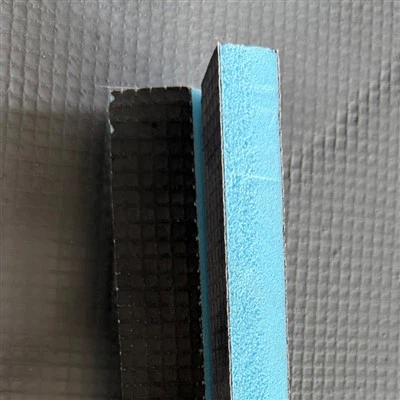
First off, let's understand what a water resistant backer board is. These are boards that are designed to be used in areas where there's a lot of moisture, like bathrooms, kitchens, and laundry rooms. They're made to resist water damage and provide a stable surface for things like tiles. We offer a variety of these boards on our website, including the Foam Waterproof Backer Board and the Waterproof Tile Backer Board 6mm. They're great for all sorts of applications and are known for their durability and water resistance.
Now, when it comes to reusing a damaged water resistant backer board, it's a bit of a tricky situation. There are a few factors we need to consider.
The Type and Extent of Damage
The first thing to look at is the type of damage the board has suffered. If it's just a small scratch or a minor nick on the surface, it might be possible to reuse the board. Small surface damage doesn't necessarily mean that the board's water resistance or structural integrity is compromised. You can probably just sand down the rough edges and use some waterproof sealant to cover the scratch. This way, the board can still do its job.
However, if the damage is more severe, like a large crack, a broken corner, or if the board has been warped due to excessive water exposure, reusing it is probably not a good idea. A cracked board can allow water to seep through, which defeats the whole purpose of having a water resistant backer board. And a warped board won't provide a flat and stable surface for tiling, which can lead to problems with the tiles later on.


Location of Installation
The location where you plan to reuse the board also matters. In low - moisture areas, the risk of using a slightly damaged board might be acceptable. For example, if you're using it in a dry part of a utility room where the chances of water splashing on it are very low, a board with minor damage could work.
But in high - moisture areas like a shower stall or a wet room, you should be much more cautious. These areas are constantly exposed to water, and any small flaw in the backer board can lead to water damage over time. In a wet room, it's crucial to use a high - quality, undamaged Wet Room Backer Boards to prevent leaks and mold growth.
Cost - Benefit Analysis
Another aspect to think about is the cost - benefit analysis. Sometimes, the cost of trying to repair and reuse a damaged board might be close to or even more than the cost of buying a new one. If you have to spend a lot of time and money on patching up the board, and there's still a risk that it might not work properly, it's usually better to just get a new board.
On the other hand, if the damage is minimal and the repair is simple, reusing the board can save you some money. You just need to weigh the pros and cons carefully.
Steps to Reuse a Slightly Damaged Board
If you've decided that reusing a slightly damaged water resistant backer board is worth a try, here are some steps you can follow:
- Inspect the Board Thoroughly: Look for any hidden damage. Sometimes, a small surface scratch could be a sign of deeper problems. Check the edges and the back of the board as well.
- Clean the Board: Remove any dirt, debris, or old adhesive from the board. This will help the repair materials adhere better.
- Repair the Damage: If it's a scratch, use a waterproof sealant or filler. For a small crack, you can use a fiberglass mesh tape and a waterproof mortar to reinforce the area.
- Test the Repaired Area: Before installing the board, you can do a simple water test on the repaired area. Just pour a small amount of water on it and see if it seeps through. If there's no leakage, it's a good sign.
- Install the Board Properly: Make sure you follow the installation instructions carefully. Use the right adhesives and fasteners to ensure a secure fit.
When to Say No to Reusing
There are definitely situations where reusing a damaged board is a bad idea. If the board has been exposed to mold or mildew, it's best to get rid of it. Mold can spread quickly and cause health problems, and it's very difficult to completely remove it from the board.
Also, if the board has lost its water resistance due to long - term water exposure, it won't protect your walls or floors from water damage. In these cases, investing in a new board is the smart choice.
In conclusion, while it is possible to reuse a damaged water resistant backer board in some cases, it's not always the best option. It depends on the type and extent of damage, the location of installation, and the cost - benefit analysis. As a supplier, I always recommend using high - quality, undamaged boards for the best results, especially in high - moisture areas.
If you're in the market for water resistant backer boards, whether it's for a new project or to replace a damaged board, we've got a great selection on our website. We're here to help you find the right product for your needs. If you have any questions or want to discuss your project in more detail, feel free to reach out. We're happy to have a chat and assist you in making the best decision for your home or business.
References
- Building Materials Handbook: A comprehensive guide on the properties and uses of various building materials.
- National Association of Home Builders' guidelines on moisture management in construction.