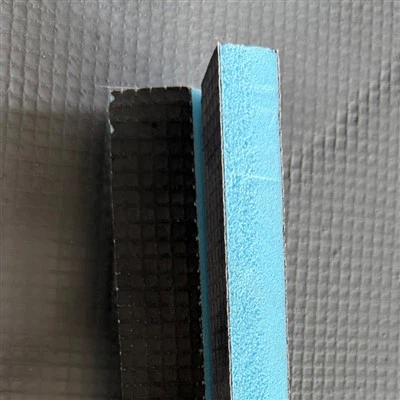

What is the thermal insulation performance of a waterproof backing board?
As a leading supplier of waterproof backing boards, I often get asked about the thermal insulation performance of our products. In this blog post, I'll delve into the details of what thermal insulation is, how it relates to waterproof backing boards, and the factors that affect the thermal insulation performance of these boards.
Understanding Thermal Insulation
Thermal insulation is the process of reducing the transfer of heat between two areas with different temperatures. In the context of building materials, thermal insulation helps to maintain a comfortable indoor temperature by preventing heat from escaping during the cold months and keeping it out during the hot months. This not only enhances the comfort of the occupants but also reduces energy consumption and lowers utility bills.
The effectiveness of thermal insulation is measured by its thermal resistance, commonly referred to as R - value. The higher the R - value, the better the material is at resisting heat transfer. Different materials have different R - values, and factors such as density, thickness, and composition can significantly influence this value.
Thermal Insulation and Waterproof Backing Boards
Waterproof backing boards are essential components in various construction projects, especially in areas prone to moisture, such as bathrooms, kitchens, and showers. While their primary function is to provide a waterproof and stable surface for tiling, they can also contribute to the thermal insulation of a building.
When installed correctly, a waterproof backing board acts as a barrier that slows down the transfer of heat. This is particularly important in wet areas where the temperature can fluctuate due to the use of hot water. By reducing heat transfer, the board helps to maintain a more stable indoor temperature, improving energy efficiency and comfort.
Factors Affecting the Thermal Insulation Performance of Waterproof Backing Boards
- Material Composition
The type of material used in the waterproof backing board has a significant impact on its thermal insulation performance. For example, boards made from materials with low thermal conductivity, such as expanded polystyrene (EPS) or extruded polystyrene (XPS), tend to have better insulation properties. These materials have a closed - cell structure that traps air, which is a poor conductor of heat, thus reducing heat transfer.
On the other hand, some traditional cement - based waterproof backing boards may have lower insulation values. However, advancements in manufacturing technology have led to the development of cement - based boards with improved thermal properties, often through the addition of insulating additives.
- Thickness
The thickness of the waterproof backing board is directly related to its thermal insulation performance. Generally, thicker boards have higher R - values because they provide a greater barrier to heat transfer. For instance, a 12mm thick waterproof backing board will have a higher R - value compared to a thinner 6mm board of the same material.
When choosing a waterproof backing board for a project, it's important to consider the desired level of insulation and select the appropriate thickness accordingly. Our Waterproof Tile Backer Board 12mm offers a good balance between waterproofing and thermal insulation, making it suitable for a wide range of applications.


- Installation Method
Proper installation is crucial for maximizing the thermal insulation performance of a waterproof backing board. Gaps or voids between the boards can create thermal bridges, which allow heat to bypass the insulation and reduce its effectiveness. It's essential to ensure that the boards are installed tightly together, with joints properly sealed using appropriate sealants.
In addition, the use of insulation materials behind the waterproof backing board can further enhance the overall thermal performance of the wall or floor assembly. This combination of materials can create a more effective thermal barrier, reducing heat loss or gain.
- Environmental Conditions
The environmental conditions in which the waterproof backing board is installed can also affect its thermal insulation performance. For example, in a humid environment, the presence of moisture can reduce the insulation properties of some materials. However, our Shower Waterproof Backer Board is specifically designed to resist moisture, ensuring that its thermal insulation performance remains stable even in wet conditions.
Benefits of Good Thermal Insulation in Waterproof Backing Boards
-
Energy Savings
By reducing heat transfer, waterproof backing boards with good thermal insulation properties can significantly lower energy consumption. This means less energy is required to heat or cool the building, resulting in lower utility bills for the occupants. Over time, these savings can add up, making the investment in high - quality waterproof backing boards worthwhile. -
Comfort
A well - insulated building maintains a more stable indoor temperature, which enhances the comfort of the occupants. In areas with extreme temperatures, such as bathrooms or kitchens, the thermal insulation provided by the waterproof backing board helps to prevent cold spots and drafts, creating a more pleasant living environment. -
Condensation Control
Thermal insulation can also help to control condensation. When the temperature difference between the inside and outside of a building is large, condensation can form on cold surfaces. By reducing heat transfer, the waterproof backing board helps to keep the surface temperature closer to the indoor air temperature, minimizing the risk of condensation and the associated problems, such as mold and mildew growth.
Our Product Range and Thermal Insulation
At our company, we offer a wide range of waterproof backing boards designed to meet the diverse needs of our customers. Our Moisture Resistant Backer Board is engineered to provide excellent waterproofing and thermal insulation properties. Made from high - quality materials, these boards are available in various thicknesses to suit different applications.
Whether you're working on a small bathroom renovation or a large commercial project, our waterproof backing boards can help you achieve the desired level of thermal insulation while ensuring a waterproof and durable surface for tiling.
Conclusion
The thermal insulation performance of a waterproof backing board is an important consideration in any construction project. By understanding the factors that affect this performance and choosing the right product, you can enhance the energy efficiency, comfort, and durability of your building.
If you're interested in learning more about our waterproof backing boards or have any questions regarding their thermal insulation properties, we'd be more than happy to assist you. Contact us today to start a discussion about your project requirements and explore our range of products. We look forward to working with you to find the perfect solution for your waterproofing and insulation needs.
References
- Building Science Corporation. "Thermal Insulation Basics."
- International Code Council. "Building Codes Related to Thermal Insulation."
- National Institute of Standards and Technology. "Materials and Their Thermal Properties."