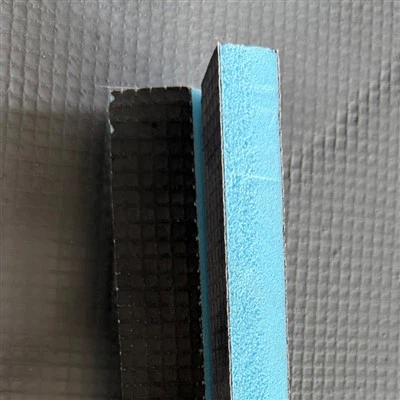

When it comes to ensuring the longevity and performance of a waterproof backing board, selecting the right sealant is crucial. As a supplier of Waterproof Backing Boards, I've witnessed firsthand the impact that the appropriate sealant can have on the overall quality of a project. In this blog, I'll delve into the different types of sealants available and guide you on choosing the one that's best suited for your waterproof backing board needs.
Understanding the Role of Sealants in Waterproof Backing Boards
Before we explore the various types of sealants, it's essential to understand their role in a waterproof backing board system. A waterproof backing board, such as the Tile Backerboard, Moisture Resistant Backer Board, or Foam Waterproof Backer Board, serves as a stable and moisture-resistant base for tiles and other finishes in wet areas like bathrooms, kitchens, and laundry rooms. However, even the most waterproof backing board can be compromised if the joints and edges are not properly sealed.
Sealants act as a barrier, preventing water, moisture, and air from penetrating the backing board and causing damage such as mold growth, delamination, or structural failure. They also help to fill in gaps and irregularities, providing a smooth and seamless finish. Additionally, sealants can enhance the aesthetic appeal of the installation by creating a clean and professional look.
Types of Sealants for Waterproof Backing Boards
There are several types of sealants available on the market, each with its own unique properties and characteristics. The choice of sealant will depend on a variety of factors, including the type of waterproof backing board, the location of the installation, the expected level of moisture exposure, and the desired finish. Here are some of the most common types of sealants used with waterproof backing boards:
Silicone Sealants
Silicone sealants are one of the most popular choices for waterproofing applications due to their excellent water resistance, flexibility, and durability. They can withstand a wide range of temperatures and weather conditions, making them suitable for both indoor and outdoor use. Silicone sealants also have good adhesion to a variety of surfaces, including waterproof backing boards, tiles, and metals.
One of the main advantages of silicone sealants is their ability to maintain their flexibility over time, which helps to prevent cracking and peeling. They are also resistant to mold and mildew growth, making them ideal for use in wet areas. However, silicone sealants can be more difficult to apply and clean up than other types of sealants, and they may not be suitable for use with certain types of paints or coatings.
Polyurethane Sealants
Polyurethane sealants are another popular choice for waterproofing applications, particularly in areas where high levels of flexibility and durability are required. They have excellent adhesion to a variety of surfaces, including waterproof backing boards, concrete, and wood. Polyurethane sealants also have good resistance to abrasion, chemicals, and UV radiation, making them suitable for both indoor and outdoor use.
One of the main advantages of polyurethane sealants is their ability to expand and contract with changes in temperature and humidity, which helps to prevent cracking and leakage. They are also resistant to mold and mildew growth, making them ideal for use in wet areas. However, polyurethane sealants can be more expensive than other types of sealants, and they may require special tools and techniques for application.
Acrylic Sealants
Acrylic sealants are a cost-effective and easy-to-use option for waterproofing applications. They have good adhesion to a variety of surfaces, including waterproof backing boards, tiles, and drywall. Acrylic sealants also have good resistance to water and moisture, making them suitable for use in areas with moderate levels of moisture exposure.
One of the main advantages of acrylic sealants is their ability to dry quickly, which allows for faster installation and less downtime. They are also easy to clean up with soap and water, making them a convenient choice for DIY projects. However, acrylic sealants may not be as durable or flexible as silicone or polyurethane sealants, and they may not be suitable for use in areas with high levels of moisture or temperature fluctuations.
Butyl Sealants
Butyl sealants are a type of rubber-based sealant that is commonly used for waterproofing applications in the construction industry. They have excellent adhesion to a variety of surfaces, including waterproof backing boards, metals, and plastics. Butyl sealants also have good resistance to water, moisture, and UV radiation, making them suitable for both indoor and outdoor use.
One of the main advantages of butyl sealants is their ability to form a tight and flexible seal, which helps to prevent water and air from penetrating the backing board. They are also resistant to mold and mildew growth, making them ideal for use in wet areas. However, butyl sealants can be more difficult to apply and remove than other types of sealants, and they may not be suitable for use in areas with high levels of movement or vibration.
Factors to Consider When Choosing a Sealant
When choosing a sealant for your waterproof backing board, it's important to consider the following factors:
Compatibility
Make sure the sealant is compatible with the type of waterproof backing board you are using. Some sealants may react with certain types of backing boards, causing discoloration, adhesion problems, or other issues. Check the manufacturer's recommendations or consult with a professional to ensure compatibility.
Water Resistance
The primary function of a sealant is to prevent water and moisture from penetrating the backing board. Look for a sealant that has excellent water resistance and is specifically designed for use in wet areas. Consider the expected level of moisture exposure and choose a sealant that can withstand the conditions.
Flexibility
The sealant should be flexible enough to accommodate movement and expansion of the backing board without cracking or peeling. This is especially important in areas where there may be temperature fluctuations or structural movement. Look for a sealant that has good flexibility and can maintain its integrity over time.
Adhesion
The sealant should have good adhesion to the backing board and other surfaces to ensure a tight and long-lasting seal. Consider the type of surface you will be applying the sealant to and choose a sealant that is designed for that specific surface. Some sealants may require a primer or surface preparation to ensure proper adhesion.
Durability
The sealant should be durable enough to withstand the conditions of the installation environment. Consider the expected lifespan of the sealant and choose a product that is designed to last. Look for a sealant that is resistant to abrasion, chemicals, UV radiation, and other factors that can cause damage over time.
Aesthetics
The sealant should complement the overall look of the installation. Consider the color and finish of the sealant and choose a product that matches or enhances the appearance of the backing board and other materials. Some sealants are available in a variety of colors and finishes to suit different design preferences.
Application and Maintenance of Sealants
Proper application and maintenance of sealants are essential to ensure their effectiveness and longevity. Here are some tips for applying and maintaining sealants on your waterproof backing board:


Surface Preparation
Before applying the sealant, make sure the surface is clean, dry, and free of dust, dirt, grease, and other contaminants. Use a suitable cleaner or solvent to remove any debris and allow the surface to dry completely. If necessary, sand the surface to create a rough texture for better adhesion.
Application
Follow the manufacturer's instructions carefully when applying the sealant. Use a caulking gun or other appropriate tool to apply the sealant evenly along the joints and edges of the backing board. Make sure to fill in any gaps or voids completely and smooth the surface with a putty knife or other tool. Avoid over-applying the sealant, as this can cause it to ooze out and create a messy appearance.
Curing Time
Allow the sealant to cure completely before exposing it to water or moisture. The curing time will depend on the type of sealant and the environmental conditions. Check the manufacturer's recommendations for the specific curing time and avoid disturbing the sealant during this period.
Maintenance
Regular maintenance of the sealant is important to ensure its continued effectiveness. Inspect the sealant periodically for signs of damage, such as cracking, peeling, or discoloration. If any damage is detected, repair or replace the sealant as soon as possible. Clean the sealant regularly with a mild detergent and water to remove any dirt or grime.
Conclusion
Choosing the right sealant for your waterproof backing board is essential to ensure the long-term performance and durability of your installation. By understanding the different types of sealants available and considering the factors discussed in this blog, you can make an informed decision and select the sealant that is best suited for your needs. Remember to follow the manufacturer's instructions carefully when applying and maintaining the sealant to ensure its effectiveness and longevity.
If you have any questions or need further assistance in choosing the right sealant for your waterproof backing board, please don't hesitate to contact us. We are a leading supplier of Waterproof Backing Boards and can provide you with expert advice and high-quality products to meet your needs. Let's work together to create a waterproof and beautiful installation that will last for years to come.
References
- Manufacturer's product specifications and technical data sheets
- Industry standards and guidelines for waterproofing and sealant applications
- Professional literature and research on waterproofing and building materials